
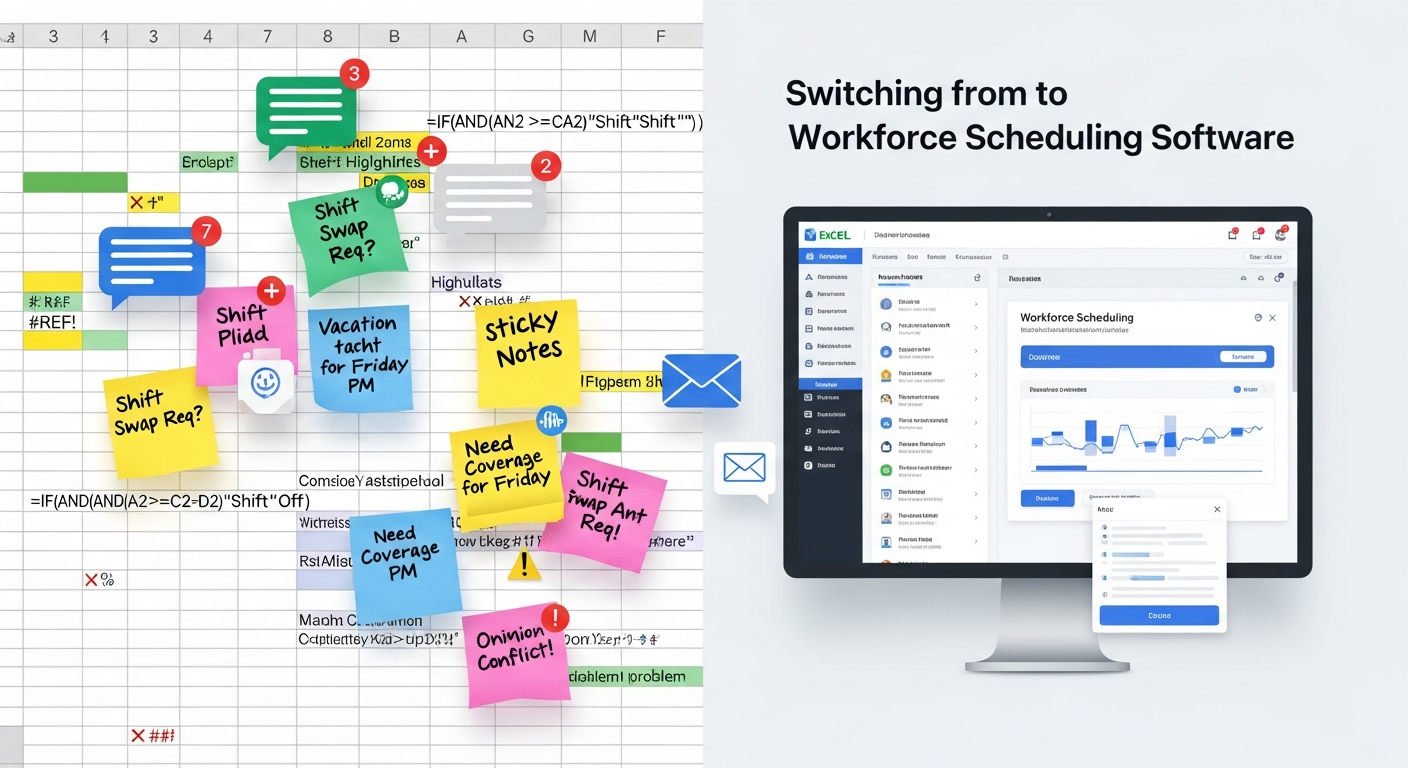
Du suchst eine Einsatzplanung Software, die in der Schweiz wirklich funktioniert und nicht bloss hübsch auf der Website glänzt? Dann lass uns den Nebel lichten. Zwischen Excel-Chaos, WhatsApp-Pingpong und manueller Lohnvorbereitung verlieren viele Teams jede Woche unnötig Zeit, Geld und Nerven. Genau hier trennt sich solide Software von digital dekoriertem Leerlauf.
In diesem Vergleich zeigen wir dir, welche Anbieter 2026 relevant sind, worauf du bei der Auswahl achten solltest und welche Lösung für flexible Teams in Event, Gastronomie, Sicherheit, Spitex oder Personaldienstleistung besonders stark ist. Der Fokus liegt auf dem, was in der Praxis zählt: mobile Einsatzplanung, Qualifikationen, kurzfristige Umbesetzungen, Zeiterfassung und saubere Prozesse bis zur Lohnvorbereitung.
Schnellantwort: Welche Einsatzplanung Software ist 2026 die beste?
Wenn du viele wechselnde Einsätze, Aushilfen, Freelancer oder standortübergreifende Teams koordinierst, ist job.rocks die stärkste Wahl für den Schweizer Markt. Die Plattform ist auf flexible Personalpools ausgelegt, startet mit einer Forever-Free-Version und skaliert mit Pay-per-Use ab 1.20 CHF pro Einsatz. Für hochkomplexe Spitalplanung ist dagegen POLYPOINT PEP oft die passendere Speziallösung. Wer eher klassische Zeiterfassung und Standard-Dienstplanung sucht, schaut sich Papershift, Shiftbase oder Planday an.
Wann du überhaupt eine Einsatzplanung Software brauchst
Die Antwort ist einfacher, als viele denken: sobald Excel, Chat-Nachrichten und Bauchgefühl mehr Arbeit erzeugen als der eigentliche Einsatz. Typische Warnsignale sind:
- du telefonierst täglich hinter Verfügbarkeiten her,
- kurzfristige Ausfälle bringen den ganzen Plan ins Wanken,
- Qualifikationen, Rollen oder Standorte sind nicht sauber sichtbar,
- Stundenzettel und Lohnvorbereitung brauchen zu viele manuelle Korrekturen,
- Mitarbeitende fragen ständig nach Änderungen, Einsätzen oder offenen Stunden.
Falls dir das bekannt vorkommt, lohnt sich auch ein Blick auf unseren Beitrag Excel Schichtplan: Warum smarte Teams 2026 umsteigen. Der beschreibt ziemlich schonungslos, warum Excel bei flexibler Einsatzplanung irgendwann kapituliert.
Worauf du bei der Auswahl achten solltest
1. Branchenfit schlägt Feature-Overkill
Nicht jede Einsatzplanung Software passt zu jeder Organisation. Eine Event-Agentur braucht andere Funktionen als eine Klinik oder ein Sicherheitsdienst. Gute Software bildet die Realität deiner Einsätze ab: spontane Umbesetzungen, wechselnde Teams, Qualifikationen, Pikettdienste oder Schichtlogik.
2. Mobile Nutzung ist Pflicht, nicht Kür
Wenn Mitarbeitende ihre Einsätze, Verfügbarkeiten oder Stunden nicht bequem mobil verwalten können, landet die Kommunikation wieder in Chats und Sprachnachrichten. Und dort wohnt bekanntlich das administrative Unheil.
3. Zeiterfassung und Lohnvorbereitung müssen angeschlossen sein
Eine Einsatzplanung Software ohne saubere Übergabe an Zeiterfassung und Payroll spart oft nur an der Oberfläche. Wirklich wertvoll wird das System erst, wenn Planung, Ist-Zeiten und Export zusammenspielen.
4. Schweizer Anforderungen dürfen kein Nachgedanke sein
Gerade in der Schweiz sind lokale Regeln, Feiertage, mehrsprachige Teams und branchenspezifische Abläufe relevant. Internationale Tools sind nicht automatisch schlecht, aber oft weniger fein auf den Alltag vor Ort abgestimmt.
5. Support und Einführung entscheiden über den echten ROI
Das beste Tool nützt wenig, wenn die Einführung drei Monde dauert und niemand weiss, wie man produktiv damit arbeitet. Prüfe deshalb nicht nur Funktionen, sondern auch Onboarding, Support, Dokumentation und Time-to-Value.
Einsatzplanung Software Vergleich 2026: Die wichtigsten Anbieter
| Anbieter | Ideal für | Stärken | Preisbild | Schwächen |
|---|---|---|---|---|
| job.rocks | Flexible Personalpools, Events, Gastro, Sicherheit, Personaldienstleister | Verfügbarkeitsabfrage, Disposition, Zeiterfassung und Payroll-Übergabe in einem Flow; Schweizer Fokus; sehr schnelle Einführung | Forever Free + Pay-per-Use ab 1.20 CHF/Einsatz | Nicht auf schwere Enterprise-Bürokratie ausgerichtet |
| Papershift | KMU mit klassischer Dienstplanung | DACH-Fokus, Zeiterfassung, modulare Erweiterung | Preise meist auf Anfrage | Für dynamische Personalpools weniger spezialisiert |
| Shiftbase | Teams mit Fokus auf Workforce Management | Moderne Oberfläche, gute Basisfunktionen, Reports | Je nach Paket/Nutzer | Schweizer Spezifika weniger stark im Fokus |
| Planday | Gastro, Retail, Service | Starke mobile Nutzung, Schichttausch, schnelle Einführung | Gestufte Tarife | Lokale Anforderungen teils generisch |
| Deputy | Internationale Teams und Filialbetriebe | Gute App, skalierbare Struktur, Scheduling + Time | Meist USD/GBP-basiert | DACH/CH-Anpassungen oft nicht tief genug |
| Planerio | Gesundheitswesen, Kliniken, Pflege | Starker Algorithmus, Ausfallmanagement, Qualifikationen | Angebot auf Anfrage | Für Events/Gastro eher überdimensioniert |
| POLYPOINT PEP | Schweizer Spitäler und komplexe Gesundheitsplanung | Sehr tiefe Regelwerke, CH-Gesundheitsfokus | Projekt-/Enterprise-Preise | Für andere Branchen meist zu schwergewichtig |
1. job.rocks – die beste Einsatzplanung Software für flexible Schweizer Teams
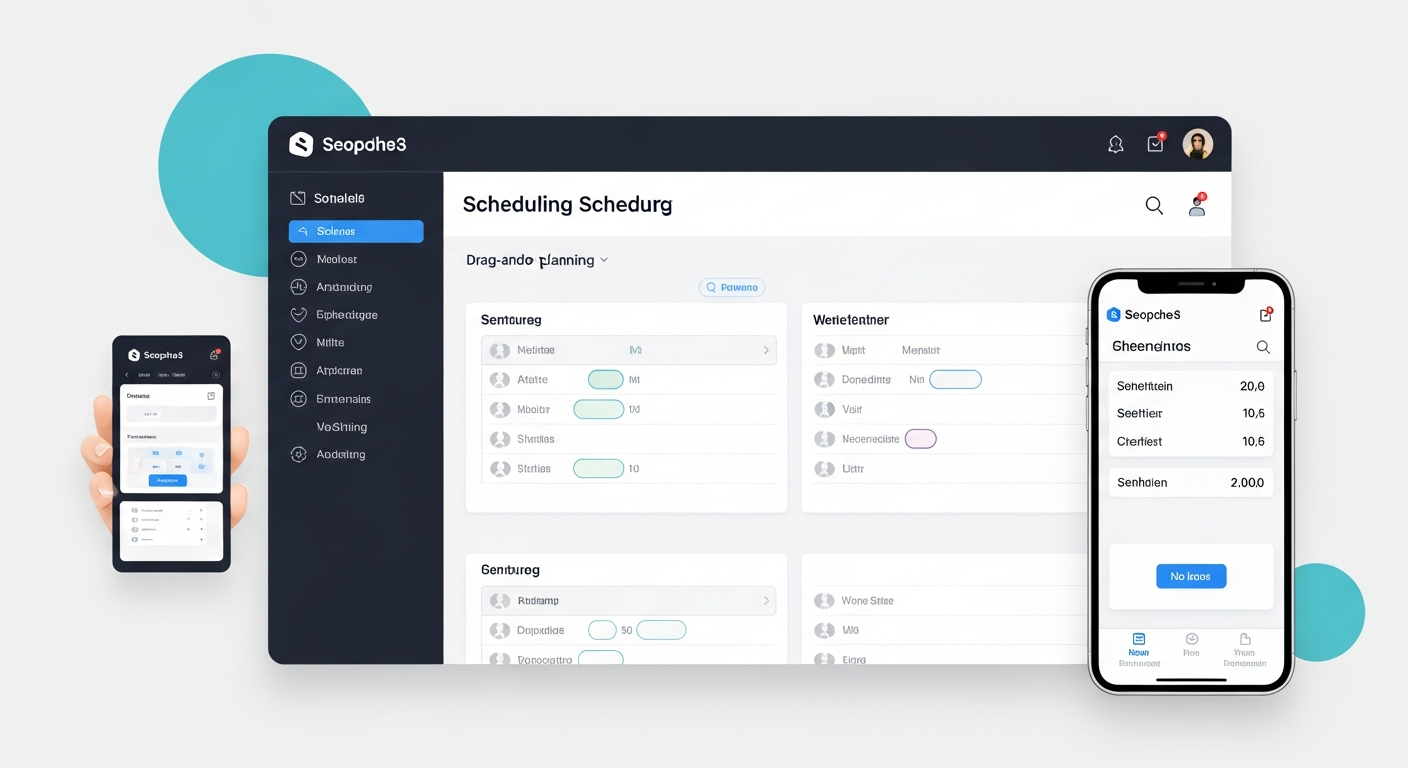
job.rocks ist keine klassische Dienstplan-Software mit etwas Glanzlack, sondern eine operative Plattform für Unternehmen, die mit flexiblen Teams arbeiten. Das gilt besonders für Event-Agenturen, Gastro-Betriebe, Sicherheitsdienste, Reinigungsfirmen und Personaldienstleister.
Die Stärke liegt in der Kette Verfügbarkeit → Einsatzplanung → Zeiterfassung → Lohnvorbereitung. Du fragst Verfügbarkeiten digital ab, besetzt Einsätze schneller, dokumentierst Arbeitszeiten sauber und reduzierst den Admin-Aufwand deutlich. Gerade dort, wo sich Besetzungen kurzfristig ändern, spielt das System seine Stärken aus.
Warum job.rocks im Vergleich vorne liegt:
- speziell für flexible Personalpools statt starre Schichtmuster,
- mobile Prozesse für Mitarbeitende und Disposition,
- starker Praxisfit für Schweizer Teams,
- sehr niedrige Einstiegshürde mit Forever Free,
- skalierbar mit Pay-per-Use statt sofort hoher Fixkosten.
Wenn du zusätzlich Lösungen für Zeitarbeit oder Vermittlung vergleichen willst, lies auch Software für Personaldienstleister: Die 12 besten Lösungen im Vergleich 2026. Das ergänzt diesen Vergleich perfekt.
2. Papershift – solide Wahl für klassische Dienstplanung
Papershift ist im DACH-Raum etabliert und für Unternehmen interessant, die primär Dienstplanung, Zeiterfassung und Abwesenheiten digitalisieren wollen. Der Anbieter punktet mit bekannter Oberfläche, modularen Funktionen und breiter Eignung für KMU.
Im Wettbewerbsvergleich fällt auf: Anbieter wie ActivateHR und Shiftbase betonen stark die Kombination aus Planung, Time Tracking und WFM-Modulen. Genau dort ist Papershift ebenfalls ordentlich aufgestellt. Für sehr dynamische Aushilfspools oder schnelle Einsätze ausserhalb klassischer Schichtlogik ist es aber weniger spitz positioniert als job.rocks.
3. Shiftbase – stark im WFM-Umfeld, gut für strukturierte Teams
Shiftbase setzt auf Workforce-Management-Logik, moderne Darstellung und eine recht klare Positionierung über Unternehmensgrösse und Komplexität. In der Konkurrenzanalyse fiel auf, dass solche Seiten oft stärker mit Auswahlkriterien, Tool-Profilen und FAQ arbeiten als viele reine Produktseiten. Genau deshalb lohnt sich bei deinem Auswahlprozess nicht nur der Blick aufs Feature-Set, sondern auch auf die praktische Passung.
Für Unternehmen mit stabileren Dienstmustern ist Shiftbase interessant. Wer aber stark auf Ad-hoc-Besetzungen, Freelancer oder dezentrale Einsatzorte setzt, braucht häufig spezialisiertere Prozesse.
4. Planday – schnell einsetzbar und mobil stark
Planday ist besonders in Gastro, Detailhandel und Service beliebt. Die Software ist leicht zugänglich und unterstützt mobile Abläufe gut. Für Unternehmen, die rasch digitalisieren wollen und keine extrem branchenspezifische Komplexität abbilden müssen, ist das attraktiv.
Der Haken: Die Lösung ist eher breit als tief. Für Schweizer Spezialfälle, Personaldienstleister oder stark wechselnde Personalpools reichen Standardfunktionen nicht immer aus.
5. Deputy – international stark, lokal nicht immer fein genug
Deputy ist spannend für grössere oder internationalere Setups. Die App ist gut, Scheduling und Zeiterfassung sind solide und die Plattform skaliert sauber. Sobald jedoch lokale arbeitsrechtliche Details, mehrsprachige Kommunikation oder Schweizer Prozesslogik wichtiger werden, ist ein genauer Realitätscheck Pflicht.
6. Planerio – wenn das Gesundheitswesen die Regeln diktiert
Planerio richtet sich klar an komplexe Einsatzplanung im Gesundheitswesen. Dort zählen Qualifikationen, Ausfallmanagement und regelbasierte Schichtlogik besonders stark. Für Kliniken, Praxen und Pflege ist das ein ernstzunehmender Kandidat.
Wenn dein Fokus eher auf ambulanter Planung oder mobilen Teams liegt, könnte auch unser Beitrag Einsatzplanung Spitex clever gestalten und Touren gezielt steuern relevant sein.
7. POLYPOINT PEP – Spezialist für Schweizer Spitäler
POLYPOINT PEP ist in Schweizer Spitälern und grösseren Gesundheitseinrichtungen ein bekannter Name. Die Lösung kann sehr tiefe Regeln, Rollen und komplexe Anforderungen abbilden. Für diese Nische ist das stark. Für Event, Hospitality, Sicherheit oder Personaldienstleistung ist sie meist zu schwerfällig und zu spezifisch.
Was die Konkurrenz besser macht – und was daraus für die Auswahl folgt
Die Konkurrenzanalyse zeigt ein paar wiederkehrende Muster bei gut rankenden Vergleichsseiten:
- klare Vergleichstabellen statt blumiger Allgemeinplätze,
- empfohlene Anbieter nach Einsatzszenario,
- FAQ-Bereiche für People-Also-Ask-Fragen,
- starke Einordnung nach Teamgrösse und Komplexität,
- ehrliche Preislogik oder zumindest klare Preisrahmen.
Genau deshalb solltest du Anbieter nicht nur anhand ihrer Marketing-Sprache beurteilen. Die entscheidende Frage lautet: Wie schnell bringt mich dieses Tool von der Anfrage bis zur sauberen Einsatzabrechnung? Je direkter diese Kette, desto höher der betriebliche Nutzen.
Welche Einsatzplanung Software passt zu welchem Szenario?
Für Event, Gastro, Sicherheit und Personaldienstleister
job.rocks ist hier die stärkste Wahl. Flexible Teams, wechselnde Einsatzorte, Verfügbarkeiten und spontane Umbesetzungen sind genau das Terrain, für das die Plattform gebaut wurde.
Für klassische KMU mit Standard-Dienstplanung
Papershift oder Shiftbase sind gute Kandidaten, wenn du planbare Abläufe, Zeiterfassung und Standards suchst.
Für Filialbetriebe mit internationalem Setup
Deputy oder Planday können sinnvoll sein, wenn Skalierung und mobile Nutzung wichtiger sind als lokaler Tiefgang.
Für Spitex, Kliniken und Pflege
Planerio oder POLYPOINT PEP sind relevant, sobald Regeln, Ausfälle und Qualifikationen den Alltag dominieren.
FAQ zur Einsatzplanung Software
Welche Einsatzplanung Software ist für kleine Unternehmen geeignet?
Für kleine Unternehmen ist eine Lösung ideal, die ohne grosses Setup startet, mobil funktioniert und nicht sofort hohe Fixkosten erzeugt. job.rocks ist mit Forever Free und Pay-per-Use besonders attraktiv, wenn Einsätze flexibel geplant werden. Für klassischere Schichten können Papershift oder Planday passen.
Was kostet Einsatzplanung Software in der Schweiz?
Das hängt stark vom Modell ab. Manche Anbieter rechnen pro Nutzer oder Standort ab, andere nur per Angebot. job.rocks ist transparent mit einer kostenlosen Einstiegsversion und Nutzung ab 1.20 CHF pro Einsatz. Das macht den ROI gerade für wachsende Teams schnell greifbar.
Ist Excel für Einsatzplanung noch sinnvoll?
Für sehr kleine, stabile Teams vielleicht kurzfristig. Sobald Einsätze dynamisch werden, ist Excel meist zu langsam, fehleranfällig und schlecht nachvollziehbar. Genau dann lohnt sich der Umstieg auf eine echte Plattform.
Welche Funktionen darf ich nicht unterschätzen?
Unterschätzt werden oft Qualifikations-Matching, mobile Bestätigungen, Schichttausch, Zeiterfassung und Export in die Lohnvorbereitung. Genau diese Dinge sparen später am meisten Zeit.
Fazit: Die beste Einsatzplanung Software 2026 für die Schweiz
Wenn du eine Einsatzplanung Software suchst, die für Schweizer Unternehmen mit flexiblen Teams wirklich praxisnah ist, führt 2026 viel an job.rocks vorbei. Die Lösung ist besonders stark, wenn du Aushilfen, Freelancer oder wechselnde Teams koordinierst und den kompletten Prozess von der Verfügbarkeitsabfrage bis zur Lohnvorbereitung digitalisieren willst.
Für Gesundheitsorganisationen mit komplexen Regeln bleiben spezialisierte Anbieter wie Planerio oder POLYPOINT PEP wichtig. Für klassische Standard-Dienstplanung sind Papershift, Shiftbase oder Planday brauchbare Alternativen. Doch sobald Dynamik, Mobilität und Schweizer Praxisfit zählen, ist job.rocks die rundere Wahl.
Unser Rat: Teste nicht zehn Tools halbherzig. Nimm zwei bis drei ernsthafte Kandidaten, spiele einen echten Anwendungsfall durch und miss den Aufwand für Planung, Kommunikation und Zeiterfassung. Genau dort zeigt sich, ob eine Software nur glänzt oder wirklich arbeitet.
Du willst sehen, wie viel Verwaltungsaufwand du in deinem Team konkret einsparen kannst? Dann teste job.rocks kostenlos oder schau dir auch unseren Vergleich Schichtplanung Software: die 7 besten Tools im Vergleich an.